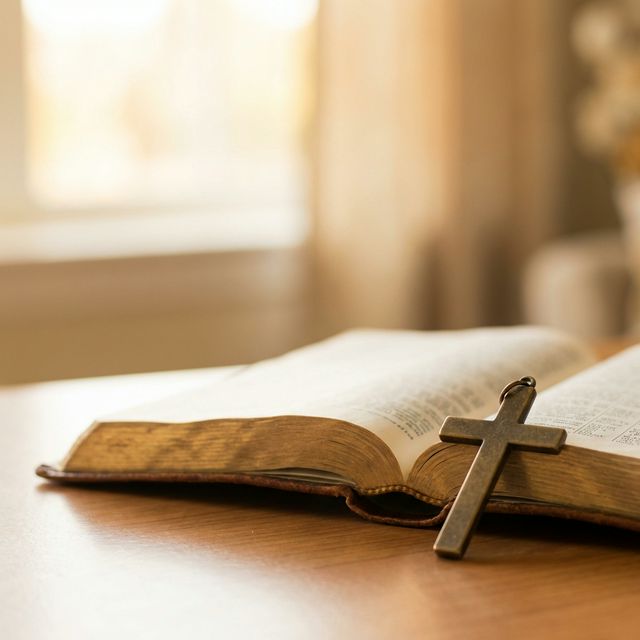

"Reading the Bible should feel like a conversation with a friend, not a chore on a checklist," a mentor once told me. I was struggling to stay awake over my morning coffee at the time. Picking the right bible study methods for women makes the difference between scanning words and actually hearing God speak to your life. Forget about checking off chapters. Focus on what stays in your heart when you close the book.
Most women feel stuck in a rut where they read the same three verses and hope for a spark. You might feel like you're doing it wrong because you don't have a degree or hours of quiet time. But the reality is simple. You just need a plan that fits how your brain works. Whether you have five minutes between diaper changes or a quiet hour before the kids wake up, there's a way to make the Word come alive.
According to a Lion report on the 12-point jump in Bible reading, weekly Bible reading among adults hit 42 percent in 2025. That's the highest we've seen in over a decade. Gen Z women are leading the way with a massive jump in interest. If you feel a nudge to go further into your faith, you're part of a massive movement of women returning to the truth.
6 Popular Bible Study Methods for Women
Finding a routine that works for your schedule is the first step toward spiritual growth. If you're just starting out, check out this Bible Study for Women Beginners: Your Complete Getting-Started Guide for more help. Once you're ready to pick a path, look at these six ways to study.
1. The SOAP Method
The SOAP method is a favorite for women who want to keep things simple. It stands for Scripture, Observation, Application, and Prayer. It keeps you focused on one passage so you don't get overwhelmed by too much information at once. You can finish a SOAP entry in ten minutes. Or you can spend an hour on it if you have the time.
First, you pick a verse and write it out by hand. Writing it down helps your brain slow down. Next, you write down your observations. What do you see in the text? Who is speaking? What words stand out? After that, you move to application. This is where you ask how this verse changes your day. Finally, you write a short prayer asking God to help you live out what you just learned.
If you want to see exactly how to do this, you can learn more about the SOAP bible study method with a real-life example. It's a great way to start if you feel like you don't have enough time. You can also look into these 10 Easy Bible Studies for Women That Will Transform Your Faith to find verses to use with this method.
2. Inductive Bible Study
If you want to go past the surface, the inductive method is the way to go. This method is like being a detective. You look at the clues in the text before you decide what it means. It has three main parts: observation, interpretation, and application. This works for women who love to take notes and ask hard questions.
Start by reading the passage several times. Use different translations to see how the words change. Ask the big questions. Who wrote this? Why did they write it? What was happening in the world at that time? This helps you avoid taking verses out of context. Instead of just looking for a feel good quote, you find the actual heart of the author.
Many women use this when they're going through a whole book of the Bible from start to finish. It builds your knowledge of the whole story. If you want a plan to follow, The Ultimate Bible Study Plan for Women: A 90-Day Roadmap can give you a clear path for using this method over several months.
3. Topical Bible Study Method
Sometimes life hits you with a particular problem. Maybe you're struggling with worry, or you need to know how to forgive someone who hurt you. This is when a topical study shines. Instead of reading a book from start to finish, you look for every verse that talks about a certain subject.
You'll need a concordance or a study Bible with a good index for this one. You look up a word like peace and find all the places it shows up in the Old and New Testaments. Then you read those verses and see what they have in common. You might find that peace in the Bible is often linked to trust in God rather than a lack of trouble.
I suggest using a notebook for this so you can group your findings. You can follow our guide on how to do a topical bible study to get a step-by-step list of how to organize your notes. It's a powerful way to see the whole counsel of God on a subject that matters to you right now.
4. Character Study
The Bible is full of stories of real women who faced real problems. A character study lets you look at their lives to see what they did right and where they messed up. You can study women like Esther, Ruth, or Mary Magdalene to see how God worked through them. This makes the Bible feel very personal and relatable.
To do a character study, you find every mention of a person in the Bible. You look at their family tree, their strengths, and their failures. You ask how God showed them mercy. This is perfect for women who love stories and want to see how faith looks in action. It's often easier to learn from a person's life than from a list of rules.
If you're interested in this, we have a Women in the Bible: A Character Study Guide for Modern Women that highlights some of the most famous women in scripture. You'll see that God uses ordinary, flawed people to do amazing things. This is a big boost for your confidence when you feel like you aren't enough.
5. Devotional Reading
Devotional reading is more about the heart than the head. This method is often called Lectio Divina, which means divine reading. You read a small portion of scripture and let it soak into your soul. You aren't trying to map out every Greek word. You're just listening for what God wants to say to you today.
Read the passage slowly. Then read it again. Pick one word or phrase that tugs at your heart and sit with it. Talk to God about why that word stands out. This method is perfect for busy mornings when you just need to center your spirit before the day gets loud. It's about resting in the presence of God.
A great way to use this is with a single prompt. You can check out Bible Study Notebook Ideas for Women: Journaling Faith Beautifully to find ways to record these moments. It's less about studying and more about beholding the beauty of God.
6. Verse Mapping for Women
Verse mapping is a visual way to pull a verse apart and see how it works. You take one verse and put it in the middle of a page. Then you draw lines coming out of it. One line might go to the definition of a key word. Another line might go to a cross-reference verse that says something similar.
This is perfect for creative women or those who learn by seeing things laid out. You get to use colored pens, stickers, and diagrams. It forces you to look at every single word in a verse. You might find that a word you usually skip over is actually the most important part of the sentence. It turns a simple sentence into a rich map of truth.
Verse mapping makes the Bible feel like a treasure hunt. You start with one spot and keep digging until you find something valuable. Many women find this is the best way to get over the feeling that the Bible is boring. It turns your study time into an art project with a purpose.
Matching Your Study Method to Your Style
Every woman learns differently. Some people love a tidy list of facts. Others want a story that makes them cry. If you try to use a method that doesn't fit your personality, you'll probably quit after a week. Use the table below to see which of these bible study methods for women fits you best.
| Method | Best For | Learning Style | Time Needed |
|---|---|---|---|
| SOAP | Quick daily focus | Reflective / Practical | 10-15 Minutes |
| Inductive | Thorough knowledge | Analytical / Logical | 30-45 Minutes |
| Topical | Solving problems | Curious / Research-based | 20-40 Minutes |
| Character | Inspiration | Narrative / Relational | 20-30 Minutes |
| Devotional | Peace and rest | Meditative / Spiritual | 5-15 Minutes |
| Verse Mapping | Visual clarity | Creative / Kinesthetic | 30+ Minutes |
According to Lifeway's report on 2026 women's ministry trends, over 57 percent of church leaders are making thorough discipleship a top priority. They're moving away from light feel good books and going back to the actual text of the Bible. You can be part of this trend by picking a method that pushes you to think and grow.
How to Stay Consistent with Your Bible Study
The biggest hurdle for most women isn't a lack of interest. It's a lack of time. Life is busy. You have work, family, and a never-ending to-do list. If you wait for a perfect time to study, it'll never happen. You have to build a routine that survives the chaos.
I recommend picking a set spot and a set time. Maybe it's the kitchen table at 6:00 AM. Maybe it's your car during your lunch break. Having a set place tells your brain it's time to focus. Keep your Bible, your notebook, and your pens in the same spot so you don't waste time looking for them.
Don't be afraid to start small. Five minutes of focused study is better than thirty minutes of distracted reading while you scroll on your phone. If you miss a day, don't beat yourself up. Just start again the next morning. Your faith is a marathon, not a sprint. You can read more about building a bible study routine that sticks on our blog.
Overcoming Common Bible Study Pain Points
Many women quit because they feel like they aren't getting it. They read a passage and feel confused. This is normal. The Bible was written a long time ago in a culture very different from ours. It takes work to bridge that gap. If you hit a confusing spot, don't stop. Use a study Bible or a commentary to help you find the context.
Another common problem is feeling like your study time is dry. This usually happens when we treat the Bible like a textbook instead of a living word. If you feel bored, switch up your method. If you've been doing Inductive study for months, try a week of Devotional reading. Changing the way you look at the text can bring back the spark.
Frankly, you need to stop comparing your study life to what you see on social media. You don't need a perfect desk or a $50 journal to hear from God. Some of the most faithful women in history studied by candlelight with nothing but a tattered book and a humble heart. God cares about your heart, not your highlighters.
Choosing Your First Study Method
If you're still not sure where to start, I suggest the SOAP method. It's the easiest to learn and gives you a clear win every single day. Once you feel comfortable with that, you can move into more thorough methods like Inductive study or Verse Mapping. You might even find that you like to mix them. You could do a topical study on Mondays and a devotional reading on the weekends.
The goal is to know God better. Every one of these bible study methods for women is just a tool to help you do that. Pick one and give it a try for two weeks. See how it changes your mood and your perspective. You might be surprised at how much more peace you feel when you're grounded in the Word.